

Hardness Sensor
Heavy-duty inline water hardness sensors engineered to measure dissolved divalent cation minerals and buffering capacity across industrial effluent treatment & chemical process plants.
Hardness Sensor Overview
General water hardness is related to the dissolved minerals in the water. General hardness is a misleading term that is often confused with carbonate hardness or temporary hardness, which is actually related to alkalinity and relates to the "buffering capacity" of the water (its ability to resist pH changes). This means that if the carbonate hardness is high then the pH will be extremely stable or alternatively if the carbonate hardness is low the pH of the water will be able to fluctuate easily. The term general hardness should be replaced with a simpler term: Hardness.
Water hardness is the measurement of the amount of ions which have lost two electrons (divalent cations) dissolved in the tested water and is therefore, related to total dissolved solids. The more divalent cations dissolved in the water the "harder" the water.
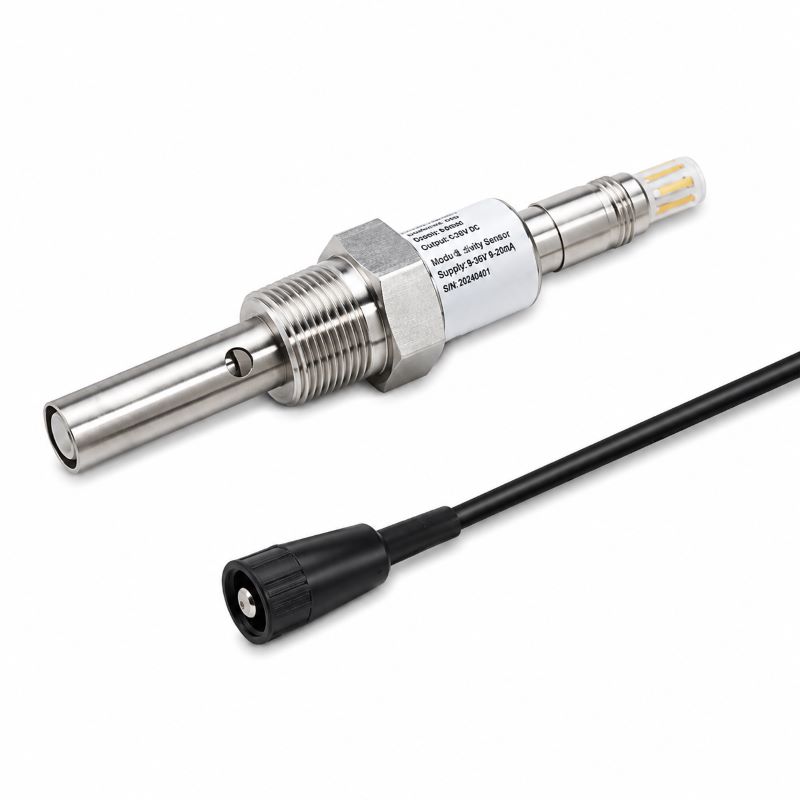
Hardness Sensor
Feature
- takes heavy loads for testing
- easy to operate the testing equipment
- indentation made during the test can be observed under microscope or eyepiece
- not sensitive to deflection and so easy to test
Application
ETP,Chemical Plants
Expertise Across Major Process Industries
Tailored industrial control panels, process instrumentation, VFD drive automation & turnkey repair services engineered for critical operating sectors worldwide.
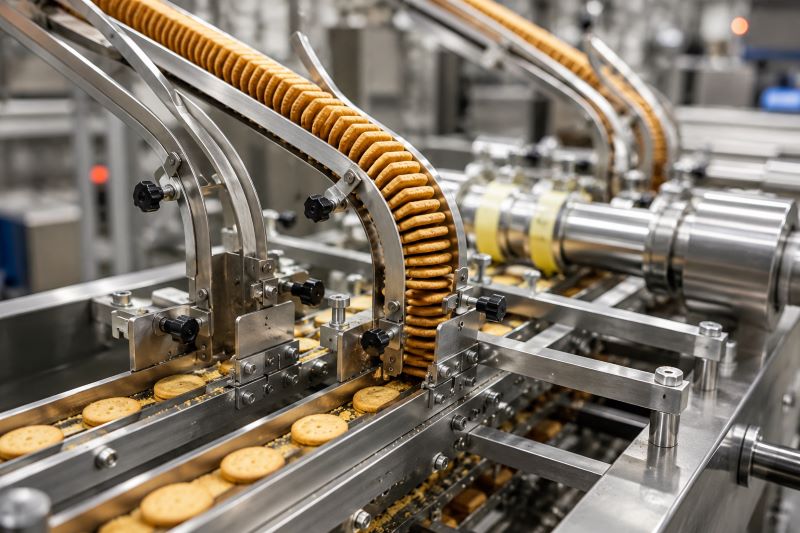
Food and Beverage
Hygienic process instrumentation, automated CIP batching control panels & FDA-standard temperature/flow monitors.